Poison Oak Removal in Bel Air, MD
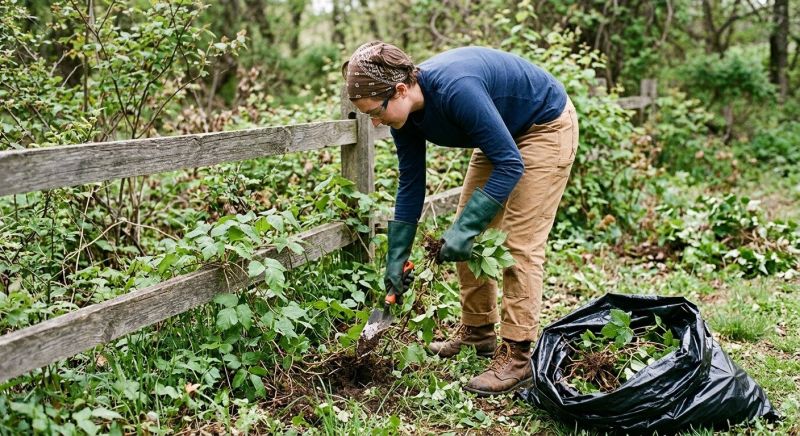
Poison oak removal services focus on safely eliminating this hazardous plant from residential properties, including yards, gardens, and wooded areas. These services typically involve identifying and carefully removing poison oak to prevent contact and reduce health risks for residents and visitors. Projects can range from clearing small patches in landscaped gardens to extensive removal in larger wooded or natural areas, ensuring the property remains safe and accessible. Property owners often want to understand the scope of the removal process, the methods used to ensure thorough elimination, and any precautions needed during and after the work.
Before requesting poison oak removal, property owners should consider the extent of the infestation and whether the plant has spread to hard-to-reach areas. It’s helpful to know if there are nearby sensitive landscapes or structures that require special attention during removal. Additionally, understanding the importance of proper disposal and the potential need for ongoing maintenance can help ensure the property stays free of poison oak in the future. Clear communication about the property’s layout and any specific concerns can facilitate an effective and safe removal process.
Many property owners in Bel Air, MD look into Poison Oak Removal for repairs, replacements, upgrades, and appearance-related improvements.

Poison Oak Identification
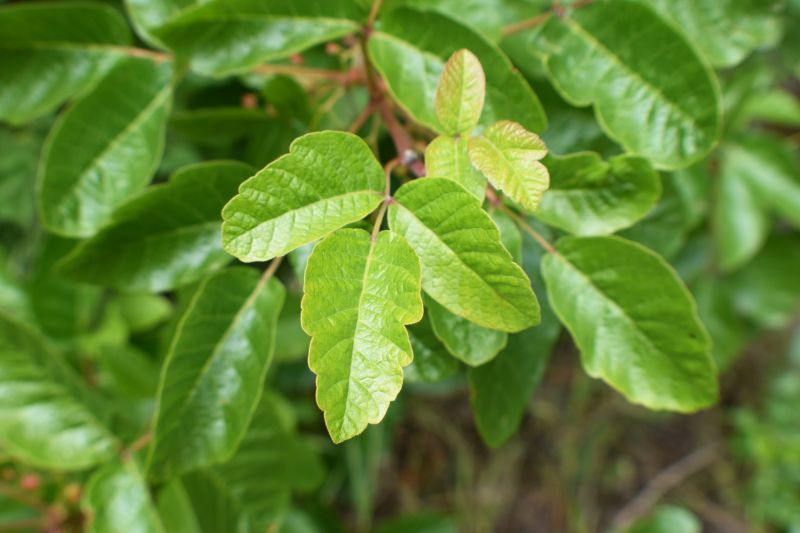
Recognizing poison oak is essential for safe removal and prevention.
Hazard Prevention Tips
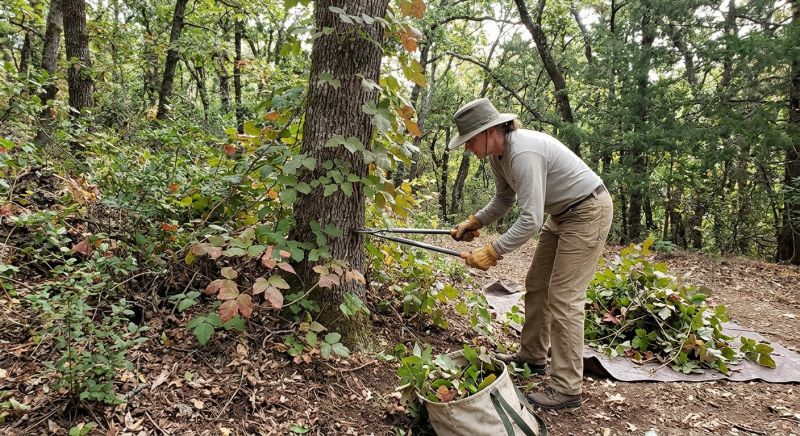
Proper removal helps protect family members and pets from skin irritation.
Property Maintenance
Removing poison oak keeps outdoor spaces safe and enjoyable for outdoor activities.
Poison Oak Removal in Bel Air, MD

Poison oak removal services focus on safely eliminating this hazardous plant from residential properties, including yards, gardens, and wooded areas. These services typically involve identifying and carefully removing poison oak to prevent contact and reduce health risks for residents and visitors. Projects can range from clearing small patches in landscaped gardens to extensive removal in larger wooded or natural areas, ensuring the property remains safe and accessible. Property owners often want to understand the scope of the removal process, the methods used to ensure thorough elimination, and any precautions needed during and after the work.
Before requesting poison oak removal, property owners should consider the extent of the infestation and whether the plant has spread to hard-to-reach areas. It’s helpful to know if there are nearby sensitive landscapes or structures that require special attention during removal. Additionally, understanding the importance of proper disposal and the potential need for ongoing maintenance can help ensure the property stays free of poison oak in the future. Clear communication about the property’s layout and any specific concerns can facilitate an effective and safe removal process.
Many property owners in Bel Air, MD look into Poison Oak Removal for repairs, replacements, upgrades, and appearance-related improvements.
Common Poison Oak Removal Jobs
Poison Oak Removal - Safely eliminates poison oak from residential landscapes to reduce health risks.
Poison Oak Clearing - Clears infested areas to prevent spread and protect outdoor spaces.
Poison Oak Trimming - Trims back overgrown poison oak to improve yard safety and appearance.
Poison Oak Eradication - Removes entire plants to prevent regrowth and ensure long-term control.
Poison Oak Control - Implements strategies to manage and reduce poison oak presence over time.
Poison Oak Cleanup - Cleans up plant debris after removal to maintain a tidy and safe yard.
Poison Oak Removal Questions
What is poison oak removal? Poison oak removal involves safely eliminating the plant to prevent skin irritation and protect property.
Why should property owners consider poison oak removal? Removing poison oak reduces health risks and helps maintain a safe outdoor environment.
What areas typically require poison oak removal? It is commonly needed in yards, wooded areas, fence lines, and around outdoor living spaces.
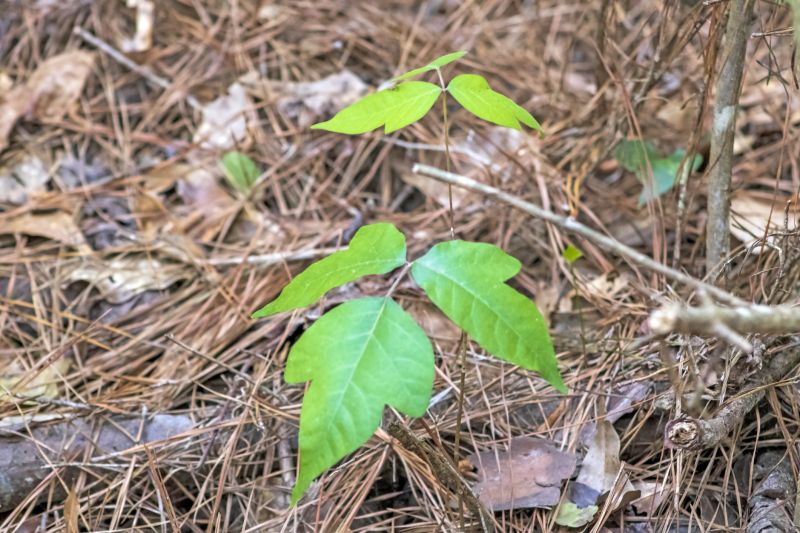
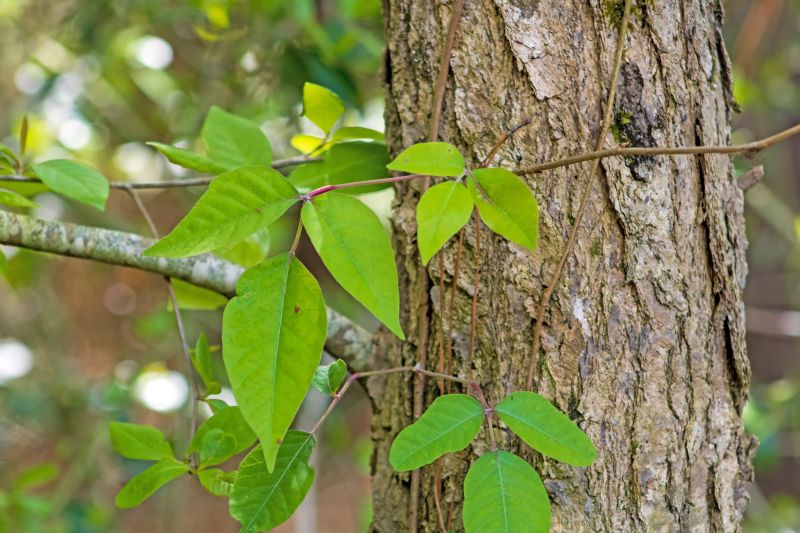
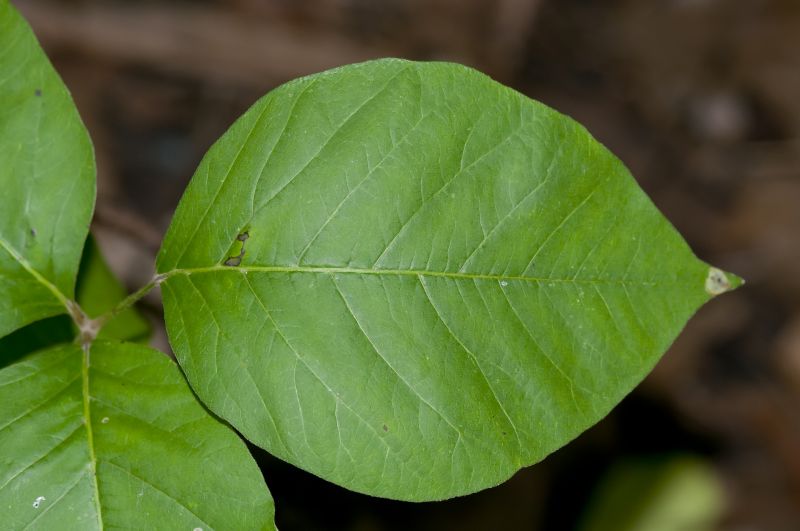
How can poison oak be identified? Poison oak has distinctive leaves that resemble oak trees, often growing as shrubs or vines.
Request Poison Oak Removal in Bel Air, MD
Use the quote form on this page to share the basics of your project and request more information for the type of work you need.