Hemlock Removal in Delaware County, PA
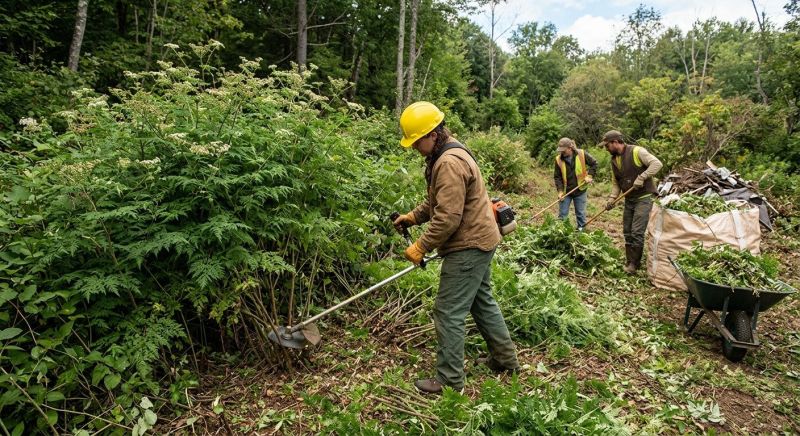
Hemlock removal services involve the safe and effective elimination of hemlock trees from residential properties. This process is commonly requested for projects such as clearing overgrown landscapes, removing hazardous or diseased trees, or making space for new construction or landscaping improvements. Property owners typically want to understand the scope of the removal, including how the trees will be taken down, what will happen to the debris, and how the site will be restored afterward to ensure safety and aesthetic appeal.
Before requesting hemlock removal, homeowners often seek clarity on factors such as the size and location of the trees, potential impacts on nearby structures or utilities, and any necessary permits or approvals. Understanding these details helps ensure the project aligns with property goals and local regulations. It is also helpful to consider the overall health of the trees and whether removal is the best option, especially if disease or safety concerns are involved.
Many property owners in Delaware County, PA look into Hemlock Removal for repairs, replacements, upgrades, and appearance-related improvements.
Assessing Hemlock Risks
Understanding the health and safety concerns of aging or damaged hemlock trees on residential properties.
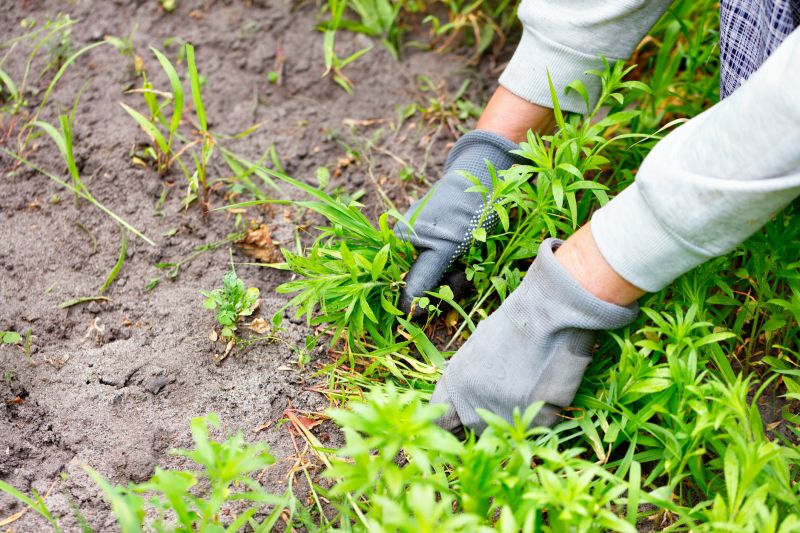
Safe Removal Techniques
Utilizing proper methods to carefully remove hemlock trees without damaging surrounding landscape or structures.
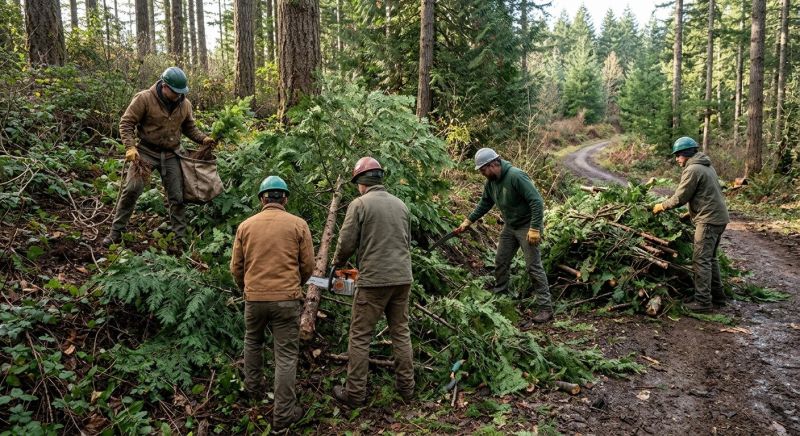
Property Enhancement
Clearing out hazardous hemlocks to improve the safety and appearance of yards in delaware county and nearby areas.
Hemlock Removal in Delaware County, PA
Hemlock removal services involve the safe and effective elimination of hemlock trees from residential properties. This process is commonly requested for projects such as clearing overgrown landscapes, removing hazardous or diseased trees, or making space for new construction or landscaping improvements. Property owners typically want to understand the scope of the removal, including how the trees will be taken down, what will happen to the debris, and how the site will be restored afterward to ensure safety and aesthetic appeal.
Before requesting hemlock removal, homeowners often seek clarity on factors such as the size and location of the trees, potential impacts on nearby structures or utilities, and any necessary permits or approvals. Understanding these details helps ensure the project aligns with property goals and local regulations. It is also helpful to consider the overall health of the trees and whether removal is the best option, especially if disease or safety concerns are involved.
Many property owners in Delaware County, PA look into Hemlock Removal for repairs, replacements, upgrades, and appearance-related improvements.
Common Hemlock Removal Jobs
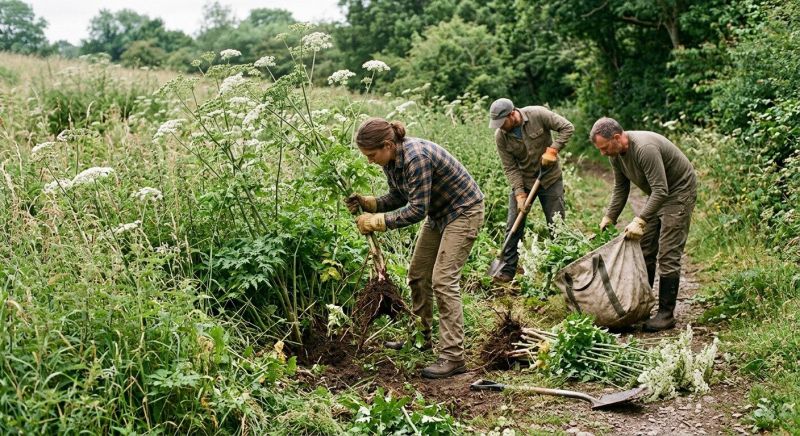
Hemlock Removal - clearing invasive trees to protect native landscapes and trees.
Invasive Tree Removal - eliminating problematic hemlocks that threaten surrounding vegetation.
Property Preservation - maintaining healthy trees and preventing damage caused by overgrown hemlocks.
Tree Clearing - removing large hemlock stands to improve safety and access on the property.
Landscape Enhancement - restoring natural beauty by removing unwanted hemlocks and debris.
Storm Damage Cleanup - clearing fallen or damaged hemlocks after severe weather events.
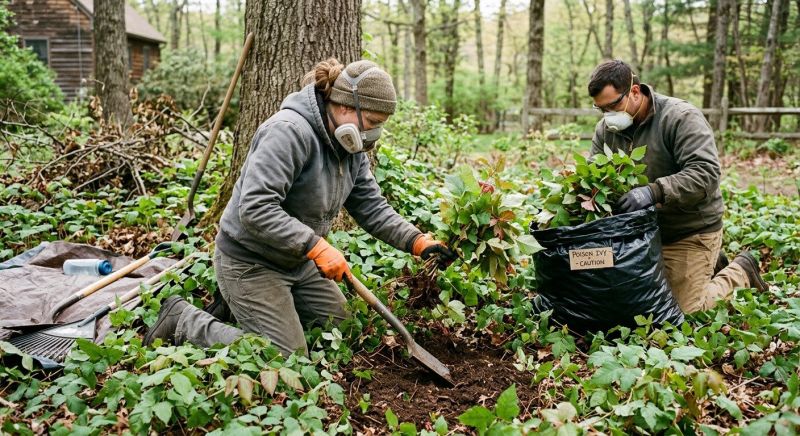
Hemlock Removal Questions
Why remove a hemlock tree? Hemlock removal can prevent the spread of pests and diseases that threaten other trees and plants on the property.
Is hemlock removal necessary for safety? Removing a hemlock may be recommended if the tree is damaged, diseased, or poses a risk of falling.
What are common reasons for removing hemlocks? Property owners often remove hemlocks due to disease, storm damage, or to improve landscape aesthetics and safety.
How does hemlock removal affect the landscape? Removing a hemlock can open up space for new plantings, improve sunlight exposure, and enhance overall property appearance.
Request Hemlock Removal in Delaware County, PA
Use the quote form on this page to share the basics of your project and request more information for the type of work you need.